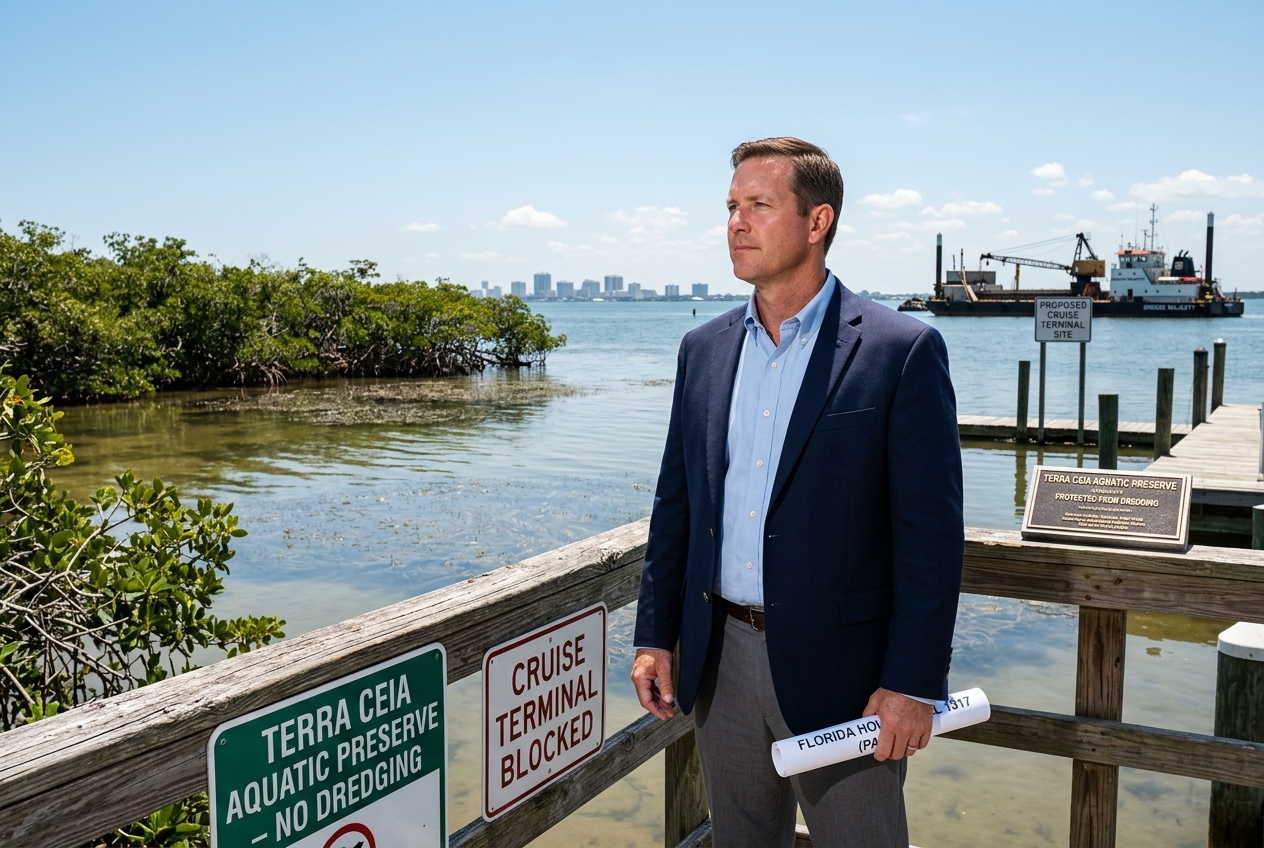
Manatee Sanctuary at Crossroads: Lawsuit Challenges Funding Cuts!
Significant Developments in Manatee Habitat Conservation Amid Proposed Funding Reductions
A recent lawsuit has underscored the ongoing tension between environmentalists and local government over proposed budget cuts at the renowned manatee sanctuary in Crystal River, Florida. This facility, recognized as the world’s largest protected area dedicated exclusively to manatees, has been an epicenter for conservation efforts, tourism, and research since its establishment.
The sanctuary, located primarily within Three Sisters Springs in the Crystal River National Wildlife Refuge, serves as a critical winter habitat for the West Indian manatee, a species classified as threatened under the Endangered Species Act. Every year, hundreds of manatees seek refuge in its warm waters, drawing thousands of visitors who contribute significantly to the local economy.
Proposed funding cuts have sparked significant concern among environmental advocacy groups who argue that reduced financial support could undermine vital conservation measures. These measures include habitat restoration, water quality improvement projects, and public education on manatee protection. The potential slashing of the sanctuary’s budget has also raised fears about the sanctuary staff’s ability to effectively manage increased human-manatee interactions, which can lead to stress and injury for the gentle creatures.
The lawsuit, filed by the Florida-based environmental organization Save the Manatee Club, asserts that the cuts violate legislative commitments to preserve critical habitats for endangered species. The group emphasizes the sanctuary’s role in the broader ecosystem, supporting not only manatees but also numerous other aquatic and terrestrial species.
Proponents of the budget cuts argue that resources could be redirected towards other essential public services, balancing fiscal responsibility with environmental stewardship. Nevertheless, the clash highlights the complex dynamics of conservation funding and the necessity of safeguarding biodiversity while addressing economic and developmental needs.
As litigation proceeds, this case may set a precedent for future sanctuary funding decisions in the United States, establishing a crucial reference point in the ongoing dialogue between conservation imperatives and fiscal policy. The outcome could influence how resources are allocated to protect vulnerable species amidst competing governmental priorities.


Echo in your Inbox
Echo is your Go-To Source for breaking local news without all the fluff.